
Selling or buying a used boat in 2025 is no longer the same matter as it was three years ago. After the post-Covid euphoria that drove prices to artificial levels, the market has made a brutal return to fundamentals: buyers have become ultra-selective, prices have been corrected by 15 to 20%, and poorly positioned boats remain unsold for months. If you want to sell or buy a used boat, it is better to understand this shift: it is the sine qua non condition to avoid selling at a loss or paying too much. Follow the guide:
The second-hand boat market has experienced everything in five years
The pre-owned boat market is one of the most fascinating to watch. In the space of five years, it went through an unprecedented boom, gradual saturation, and then a sharp return to reality. For anyone looking to sell or buy a boat today, understanding this sequence is essential to avoid getting the price wrong—either way.
Before the pandemic, the pre-owned market followed a simple and predictable pattern: a boat’s value declined naturally with age, buyers knew it, sellers knew it, and transactions took place in a relatively stable environment. All of that changed dramatically from 2020 onward.
2020–2022: the Covid bubble and its excesses
Lockdowns turned boats into a symbol of escape. The pandemic disrupted consumption habits, encouraging many people to turn to outdoor activities, including boating. During this period, almost every boat put up for sale quickly found a buyer, often at prices far higher than those seen a few years earlier. The phenomenon was unprecedented: for three years, a boat could sometimes sell for more than its original purchase price, even if it was already 5 or 10 years old. Second-hand prices rose to artificial levels, driven by excess demand and supply constrained by shipyard supply-chain difficulties. The rise in boat prices since Covid is the result of an unprecedented imbalance between supply and demand.
2023–2025: the correction and the return to fundamentals
The wake-up call was gradual, but clear. According to the latest figures from the Fédération des Industries Nautiques, new boat registrations fell by 23.1% in 2023–2024 (Source: Bateaux).
The second-hand market, although still active with more than 56,000 units exchanged, has also slowed down. The market has become very quiet again, and prices, although still high, have stopped rising. Consumers have found themselves facing a reality where second-hand prices had increased so much that they no longer reflected the real value of the boats.
The second half of 2025 marked the beginning of a rebalancing. Asking prices for second-hand boats were revised downward by 15 to 20%, making opportunities more attractive for buyers who had been waiting on the sidelines (Source: SAIL Tahiti).
A healthy correction, but one that only benefits sellers who managed to adjust their position in time.
A transformed buyer: far more demanding when purchasing a second-hand boat
The profile of the buyer has also evolved significantly. Today, it is mainly professionals from higher socio-professional categories, living in major cities such as Paris, Rennes, Nantes, Marseille, or Vannes, who dominate this market. These buyers are often well informed and very attentive to warranty, the condition of the boat, the price, and the survey.
The average size of the boats sought has also evolved, with a significantly higher entry price. The average size of the boats sought is between 7 and 8 meters, with an average price of €70,000 in 2023, rising to €91,000 in 2024 for models of 8 to 9 meters. (Source : Band of Boats)
These buyers are no longer satisfied with a listed price. Buyers now think in terms of total cost, factoring in refit costs, medium-term reliability, insurability, and the ability to resell without major losses. In other words, an undervalued but poorly maintained boat will attract no one. And an overpriced boat, even a beautiful model, will remain at the dock for months.
What determines the value of a second-hand boat in 2026
Today’s market has become selective. Two boats comparable in size and age can show spectacular price differences. The buyer no longer pays for a myth or a reputation, but for a set of very concrete criteria combining compliance, actual use, future costs, and resale potential. (Source : Figaro Nautisme)
Among the criteria that carry the most weight: the condition of the structure, the engine, documented maintenance history and… insurability. Boats that can easily meet insurers’ requirements attract more buyers, which mechanically supports their price. Conversely, the slightest doubt about the general condition or compliance can block a sale.
Another strong signal: around 30% of boats will probably not find a buyer, even with successive price reductions (Source: Caraibe Yachts). This figure, drawn from a market analysis covering more than 90% of active listings, illustrates just how ruthless the selection has now become.
Sell or buy: knowledge of the market, the ultimate weapon

In this context, setting the right price is no longer a matter of intuition; it is an exercise that requires a precise reading of the real market. Not listed prices, but transaction prices. Not generic estimates, but a comparative analysis of the boats actually on the market at the moment you decide.
That is exactly what offers Elissa Yachting avec son service d’estimation : non pas une simple cote, mais une étude de marché complète adossée aux annonces comparables actives en ligne. Une approche rare, qui permet à un vendeur de positionner son bateau juste, et à un acheteur de négocier avec des arguments solides.
Whether you wish to put your boat up for sale or find the right second-hand boat, navigating without reliable data in such a volatile market means taking unnecessary risks. The right decision always starts with a good understanding of the market.
Sources: Fédération des Industries Nautiques (FIN), Band of Boats, Sail Tahiti Market Analysis 2025, Figaro Nautisme, Caraibe Yachts, Boatcible, Oria Marine.
-

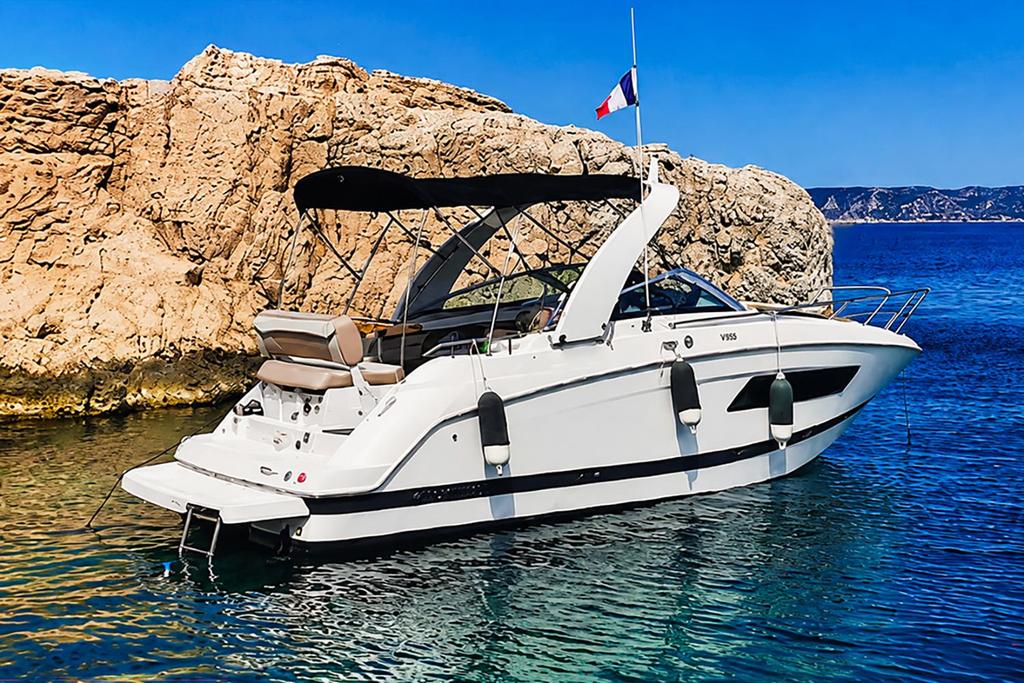
Four Winns Vista 255
201889 000 € -
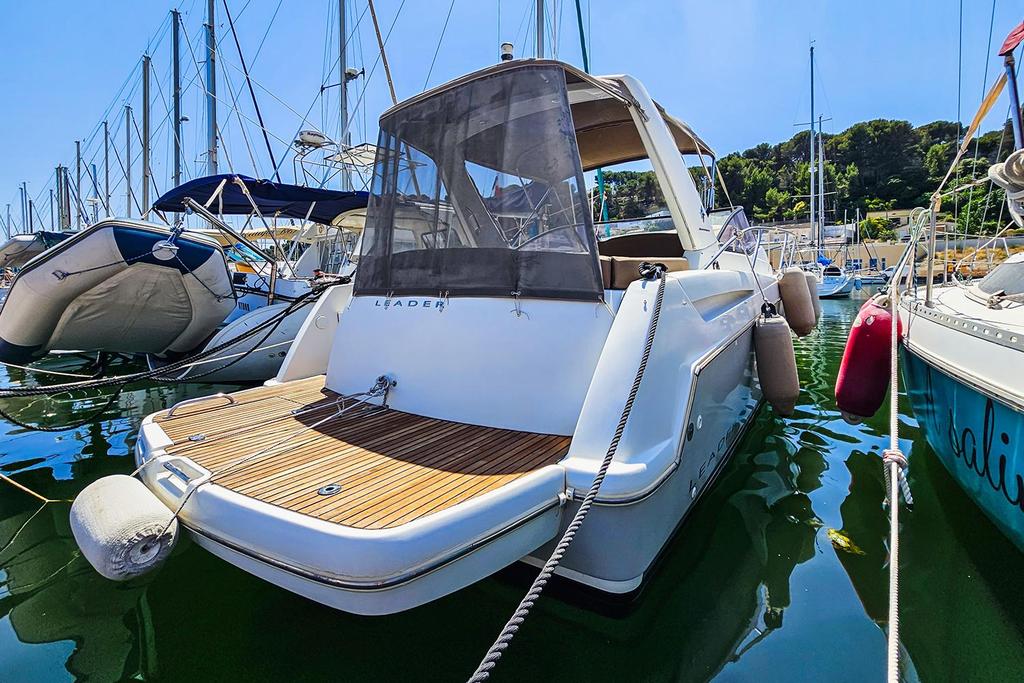
Jeanneau Leader 8
201579 000 € -
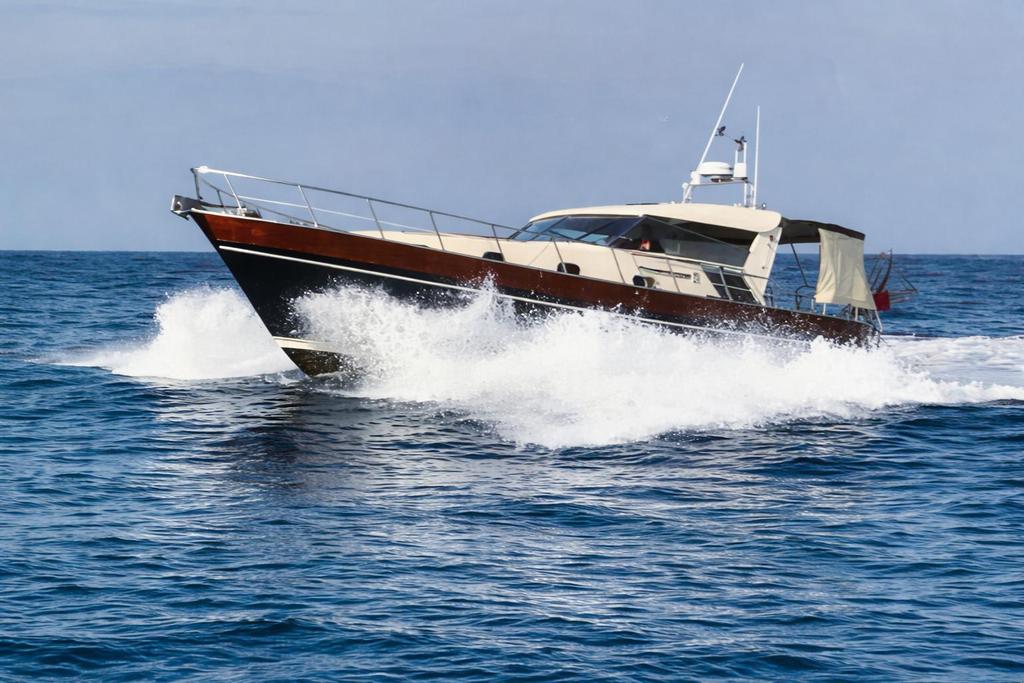
Apreamare 12
1999155 000 €