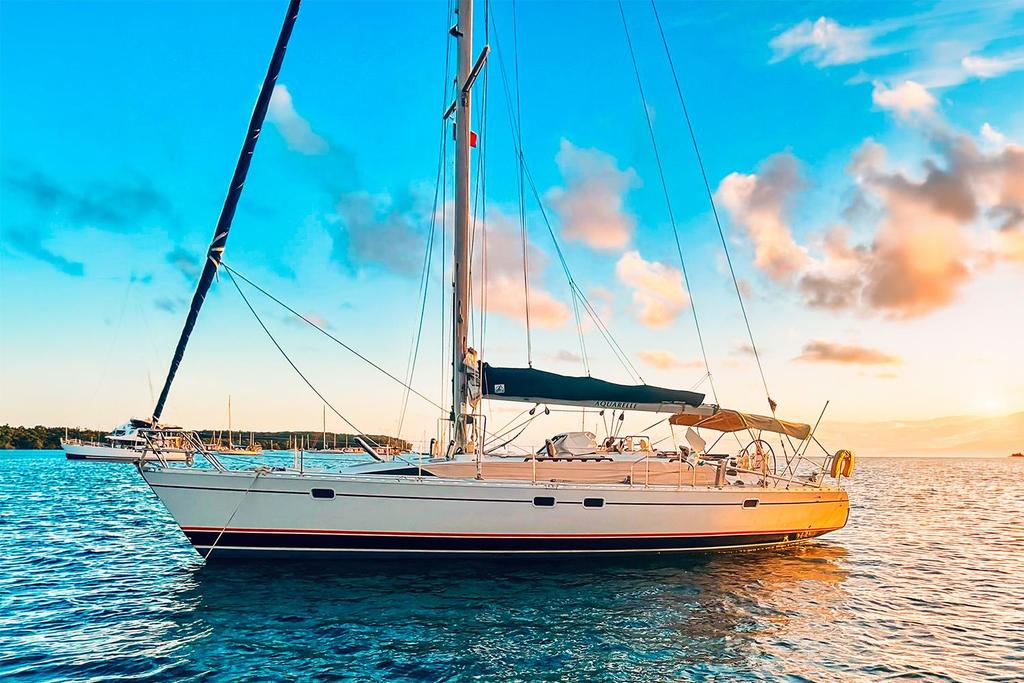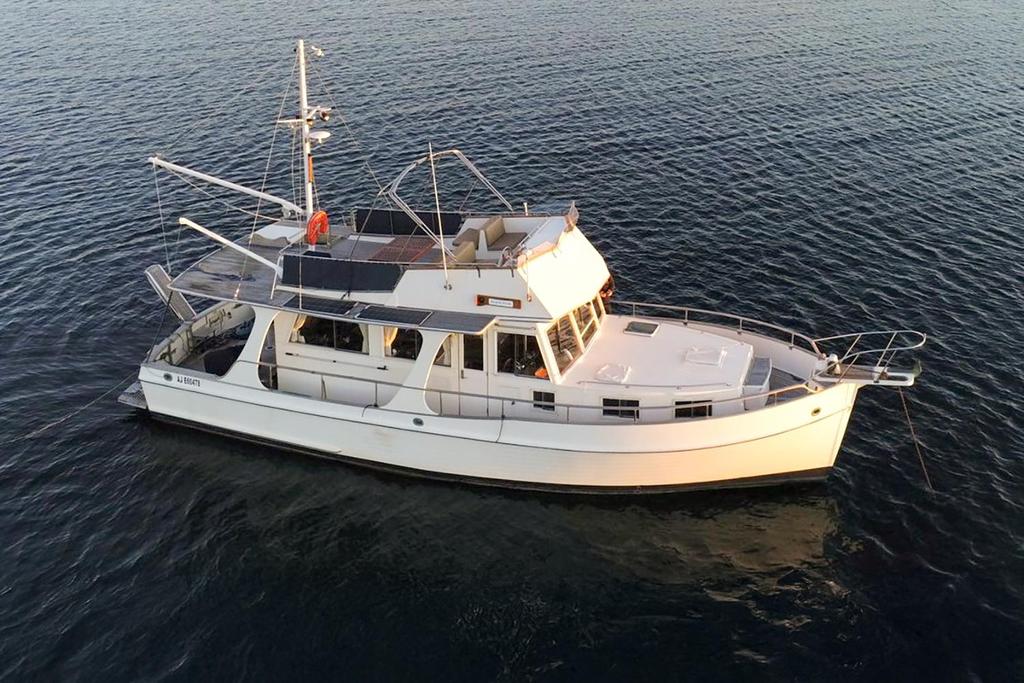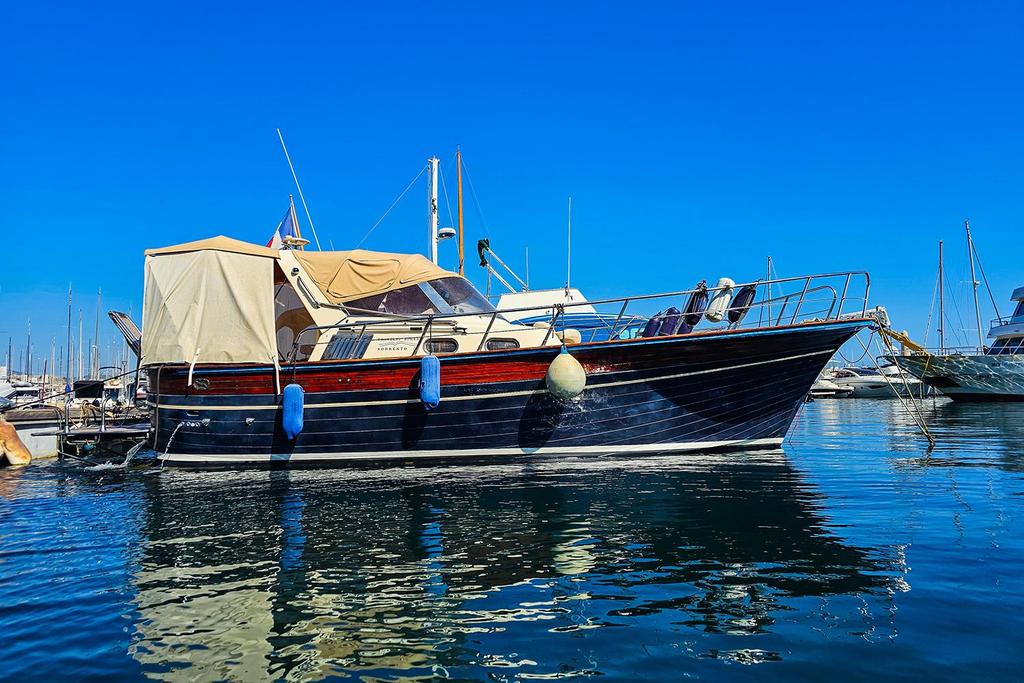
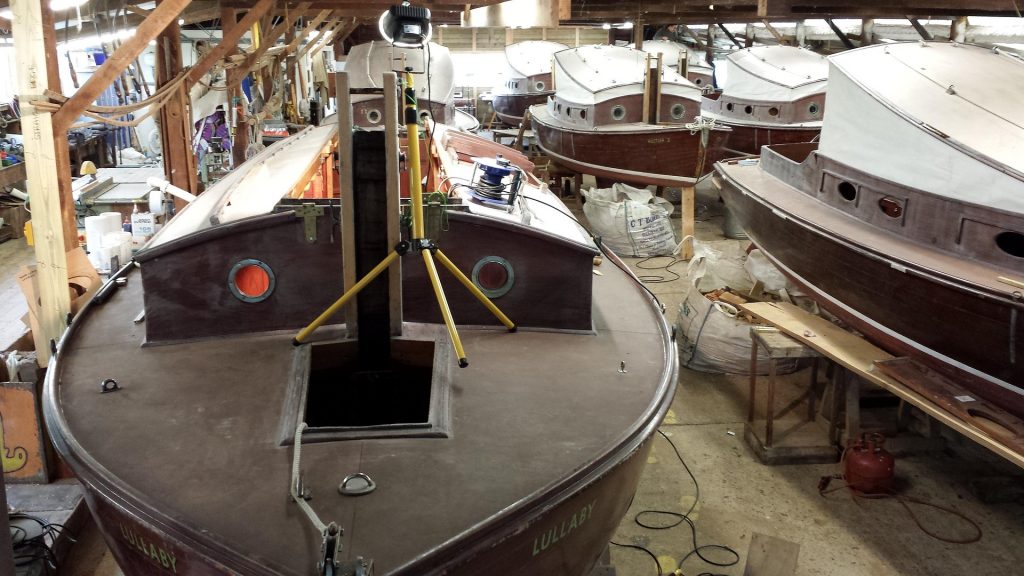
There is something unique about the yachting industry that is rarely found elsewhere: many of the world’s greatest shipyards were born from a personal passion, often that of a single individual or a family, in a modest workshop that seemed destined for anything but global recognition. A fisherman building his own gozzi in Sorrento in 1849. An engineer in the Vendée constructing his first polyester sailboat in the 1960s. An offshore racing sailor dreaming of the perfect catamaran for his family.
These stories are not marketing anecdotes. They reveal something fundamental about what a yacht truly is: the expression of a vision, of craftsmanship passed down through generations, and of a commitment to excellence that the decades have never diminished. At At Elissa Yachting, we wanted to tell these stories because they offer a different perspective on the yachts we offer for sale, and because they help buyers better understand what they are really buying.
Family Shipyards: When Passion Is Passed Down from Father to Son
Some shipyards are, above all, family stories. Stories in which craftsmanship is passed down as a legacy, generation after generation, creating a continuity that ultimately defines a brand identity stronger than any advertising campaign.
Apreamare is perhaps the most striking example. The story began in 1849 in Sorrento, when Giovanni Aprea built his first fishing boats inspired by the gozzo sorrentino, the traditional Mediterranean hull renowned for its elegant, timeless lines. More than 170 years later, Apreamare yachts still carry the unmistakable shape of that ancestral craft—updated with today’s engines, materials and finishes. Few brands in the world can claim such remarkable aesthetic continuity over such a long period.
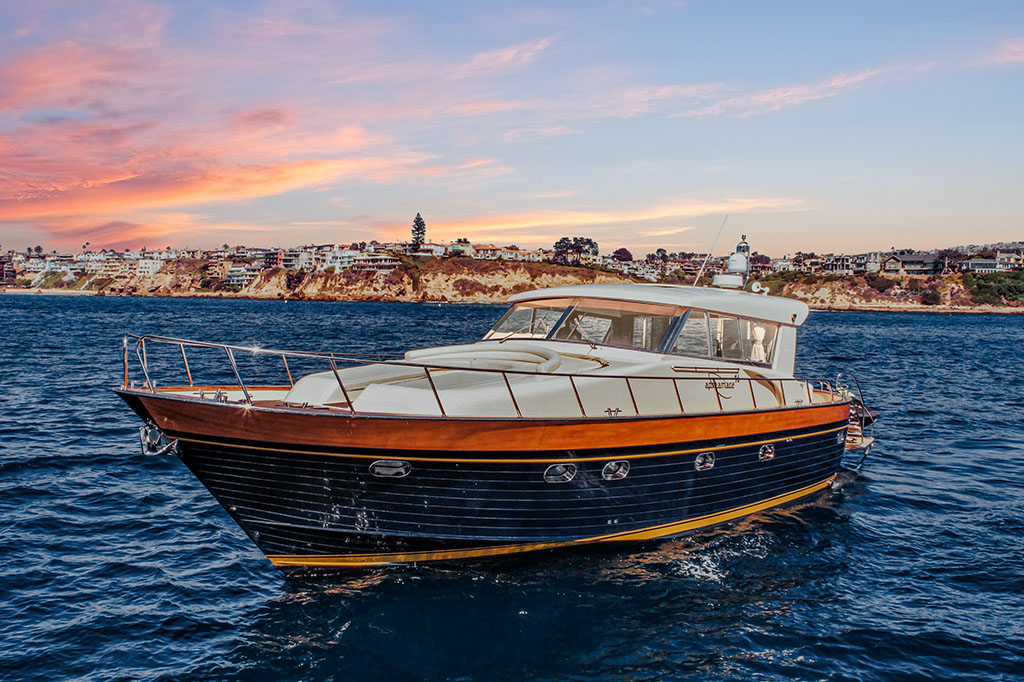
Cranchi has followed a comparable path. Founded in Italy by a passionate craftsman, the shipyard has evolved over the decades while preserving its commitment to exceptional finishes and meticulous attention to detail—qualities that mass production has never truly replicated. It is no coincidence that Cranchi yachts are still associated with a distinct vision of Italian elegance today: that reputation has been built over decades, not through marketing campaigns.
Bénéteau is a unique case in this category: a family story that ultimately gave rise to the world’s largest recreational boatbuilding group. Founded in 1884 by Benjamin Bénéteau in a small village in the Vendée, the shipyard survived two world wars, several economic crises and an unprecedented industrial transformation to become the global leader in recreational boating. It is an extraordinary journey—and one that explains why Bénéteau yachts are found in marinas all over the world.
The Visionaries: Sailors Who Designed Their Ideal Yacht
Another category of founders has left a lasting mark on the history of yachting: sailors themselves. Men who set out to build the yacht they could not find on the market. In doing so, they created something that countless other owners would come to admire.
Privilège Marine is the perfect example. When Philippe Jeantot—a two-time world champion in solo offshore racing and the founder of the Vendée Globe—launched the shipyard in 1985, he was not trying to build a company. He simply wanted to design the ideal catamaran for cruising with his family: one that combined the offshore safety of a racing yacht with the comfort of a luxury cruising catamaran. Over the following forty years, the result became one of the world’s leading names in premium catamarans.
Amel followed a similar path. In 1964, Henri Amel, a passionate sailor devoted to self-sufficient cruising, built the first yachts of what would become the world’s benchmark shipyard for bluewater sailing yachts—starting in his own garage. The Amel philosophy has remained unchanged from the beginning: yachts designed to be sailed safely by a couple, anywhere in the world. The Super Maramu, one of the brand’s most iconic models, remains one of the most sought-after pre-owned sailing yachts on the market today.
Dufour also belongs to this generation of sailor-founders. In 1964, Michel Dufour, an engineer and passionate racing sailor, founded his shipyard with a simple idea: to build high-quality sailing yachts that would be accessible to a wider audience. The Sylphe, the first production model built in La Rochelle, laid the foundations of a brand that would become one of the world’s best-selling names in sailing yachts—and whose more recent models, such as the Dufour 460 and Dufour 56, are now regarded as benchmarks on the pre-owned market.
The Innovators: Shipyards That Reinvented an Entire Category
Some shipyards did more than simply build excellent yachts. They reinvented an entire category—often against prevailing market opinion—and became the benchmark for the very concepts they introduced.
Lagoon is inseparable from the rise of the cruising catamaran. Founded in 1984 through a collaboration between the Bureau des Études Architecturales in La Rochelle and Jeanneau, Lagoon did more than any other builder to establish the catamaran as a serious choice for families and sailors seeking comfort. Today, models such as the Lagoon 400 and Lagoon 440 are among the most sought-after yachts on the global pre-owned market—a reputation built not only on construction quality, but also on the consistency of a vision maintained over four decades.
Fountaine Pajot followed a parallel path, but with a distinct philosophy. Founded in 1976 in Aigrefeuille-d’Aunis, the French shipyard established itself as a leading specialist in cruising catamarans, with a diverse range that now includes both sailing multihulls and power catamarans. The Helia 44, Astréa 42 and Tanna 47 are just a few of the models that consistently rank among the best-selling yachts on the pre-owned market.
Catana chose a different path: to build fewer yachts, but to build them exceptionally well. Founded in 1984 by Olivier Poncin, the French shipyard specialised in high-performance catamarans that bridge the gap between racing and cruising. Catana yachts are rare and demanding, designed for experienced sailors—and their strong reputation on the pre-owned market reflects a level of owner loyalty rarely seen in production yachting.
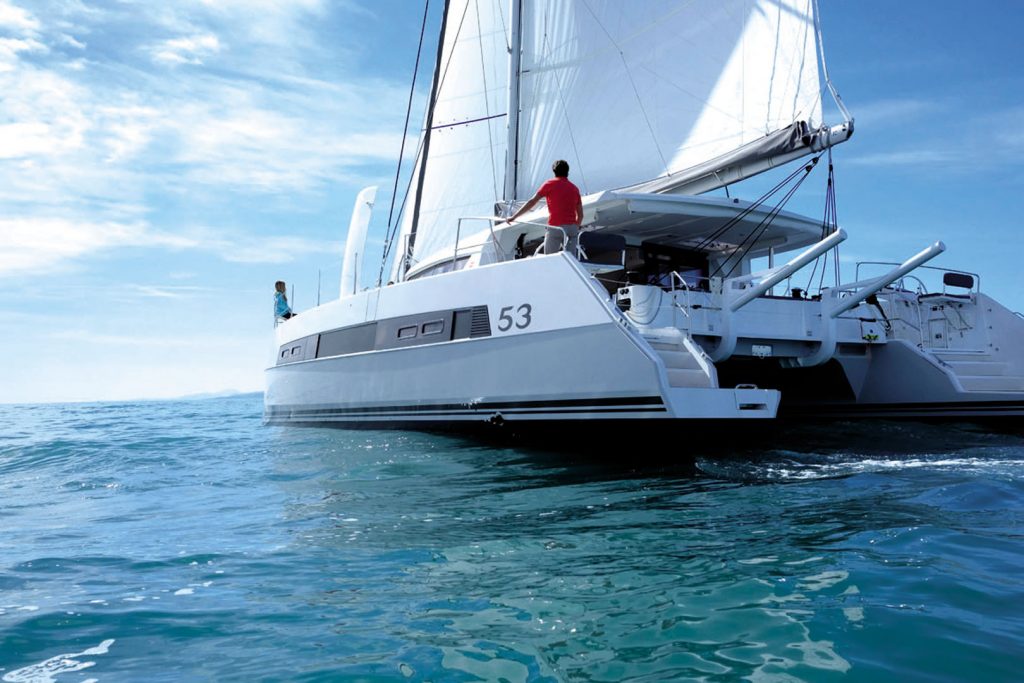
Bali is the newest member of this family, but perhaps the most disruptive. Founded in 2014 by Olivier Poncin—the same visionary behind Catana—the Bali brand did exactly what no one expected: it reinvented the cruising catamaran with a panoramic rooftop lounge, a radically different onboard living concept, and a highly competitive value proposition. In less than ten years, Bali has become one of the most dynamic shipyards in the global market.
The Specialists: Shipyards That Turned Their Niche into a Benchmark
Other builders chose the path of specialization—and turned it into an exceptional strength.
Hanse Yachts, founded in 1990 in northern Germany, established itself in less than thirty years as one of the world’s leading builders of cruising sailboats with a simple and compelling proposition: high-performance sailing yachts that are easy to handle and competitively priced. The group later expanded by acquiring Dehler, Moody, Fjord, Sealine and Privilège Marine, becoming a major force in the global yachting industry.
Jeanneau is one of those brands that has successfully evolved through every era without ever losing its relevance. Founded in 1957 in the Vendée region of France, the brand established itself in both sailing and motor yachts with remarkable consistency. The successive Sun Odyssey models are among the best-selling cruising sailboats in history, while motor yacht ranges such as the Leader and Cap Camarat remain highly regarded on the pre-owned market.
Prestige Yachts, founded in 1989 within the Jeanneau Group, has built a distinct identity in the premium motor yacht segment. Its flybridge and express cruiser models, ranging from 38 to 75 feet, have earned the loyalty of a discerning international clientele, and pre-owned models such as the Prestige 60S and the X-Line enjoy an excellent reputation on the brokerage market.
Finally, Princess Yachts embodies British expertise in luxury motor yacht construction. Founded in Plymouth in 1965, the shipyard has established its sleek designs and meticulous craftsmanship in markets around the world—from the Mediterranean to the Middle East. Models such as the V65 and the S Class are now regarded as benchmarks in luxury motor yachting, attracting an international clientele from the French Riviera to the marinas of the Caribbean.
Why Knowing a Shipyard’s History Changes Everything When Buying a Yacht
These stories are not merely historical curiosities. They have real practical value for anyone buying or selling on the pre-owned yacht market.
Knowing a shipyard’s history means understanding the design philosophy behind the yacht—and therefore anticipating both its strengths and its potential weaknesses. An Amel was designed for self-sufficient ocean cruising: its robustness and onboard systems are above average, but both its purchase price and maintenance costs reflect that ambition. A first-generation Bali embodies a disruptive vision of the cruising catamaran: its architecture is innovative, but some owners have found that such originality requires adaptation over time.
This is the knowledge that Elissa Yachting’s brokers bring to every transaction. Not just market data, but an understanding of the yachts themselves—and of the people who built them.
Looking to sell your yacht? Request a free valuation from our team, and we will provide you with a comprehensive market analysis within 24 hours.
Discover our boats for sale:
-

KIRIE FEELING 446
199189 000 € -
Grand Banks 42 Europa
1987187 000 € -
Fratelli Aprea 32
200399 000 €